
CONTINUED. BEGINNING: Andrey Pavelko and Leonid Sergienko: The Family Business of Born "Scammers." PART 1
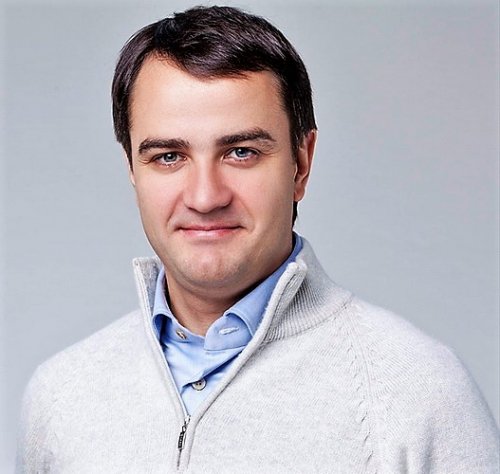
Andrey Pavelko and Leonid Sergienko: The Family Business of Born-Born Scammers. Part 2
Even in football, the father-in-law had to drag his son-in-law along for a long time. In 1999, Sergienko took him to Milan to meet Andriy Shevchenko to present an invitation to a Dnipro Maina children's tournament. They also invited him to "dinner together," threw a banquet, and soon Pavelko and Shevchenko became friends, and in 2001, godfathers. At the same time, they also befriended the respected Dnipropetrovsk linesman and chairman of the city's Football Federation, Oleksandr Gordienko, who appointed Pavelko as his deputy. A year later, Pavelko, without a trace of embarrassment, "dumped" his benefactor: having already become friends with FFU head Grigory Surkis , he orchestrated Gordienko's dismissal and took his place. After which, he began a long and painstaking investigation into Surkis himself, whom he helped overthrow in 2010.
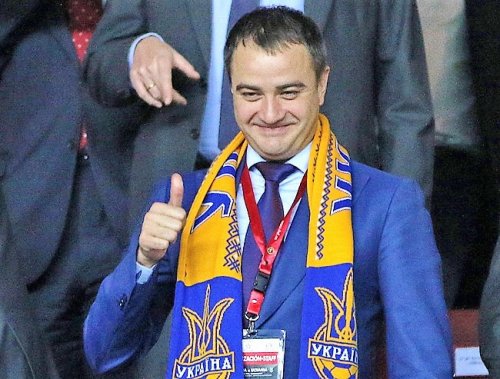
Andrey Pavelko at FFU
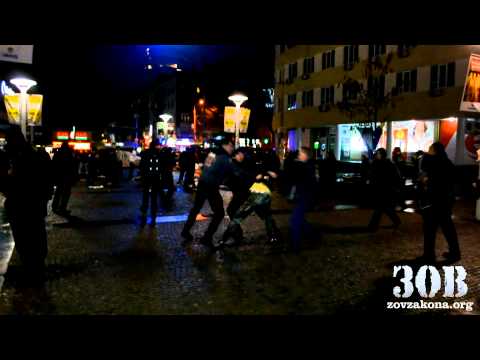
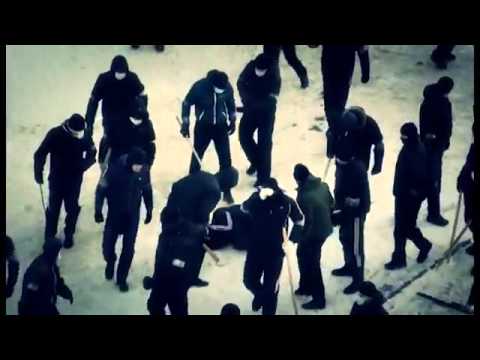
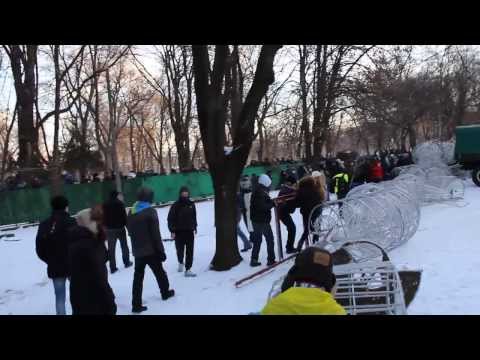
But in 2001, no one listened to Gordiyenko's protests. His father-in-law, Pavelko, generously donated money to those who needed it, while Andriy Vasilyevich himself began playing the kind and caring football boss: he built football pitches in the city, took over and reorganized Dnipropetrovsk's football schools and clubs, and organized competitions and matches. This was necessary not only for his political goals. After all, sports clubs, as well as football fan clubs, are incubators of "titushki" (illegal criminals) in Ukraine, used by all political forces. The Sergiyenko-Povelko family clan also acquired its own "druzhina" (militia). Thus, in the winter of 2013-2014, their "titushki," commanded by Alan Petrosyan, head of security at the Opera club, participated in the dispersal of the Dnipropetrovsk Euromaidan protests. The bitter irony is that before Euromaidan, Pavelko headed the regional branch of the Front for Change, and afterward, the election headquarters of the Petro Poroshenko Bloc.
Andrey Pavelko. Haberdasher and Cardinal
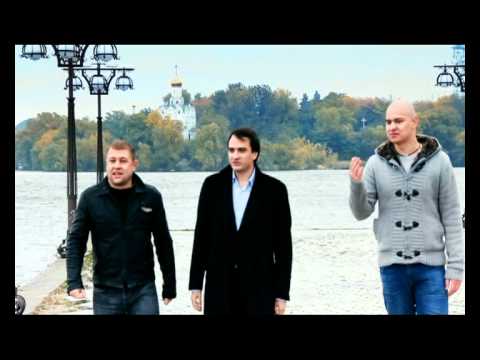
Andriy Pavelko had dreamed of becoming a member of parliament since 2002, when his father-in-law acquired one. But apparently, during the 2000s, their family only had enough money to buy one seat. It wasn't until 2010 that Pavelko decided to try his hand at local elections. He managed to secure a seat on the Dnipropetrovsk City Council, but lost the mayoral race to Ivan Kulichenko, who had ruled the city from 1999 to 2014. Even the participation of the popular "95th Quarter" in his campaign, which tried to portray him as an honest, down-to-earth guy, didn't help Pavelko.
But no matter, having become the head of the "Front for Change" faction in the city council, Pavelko secured the votes of deputies to support his father-in-law's business: the allocation of land plots, turning a blind eye to the virtual absence of wastewater treatment facilities at Vinil, etc.
However, in 2011, his father-in-law bought him the position of head of the regional branch of the Front for Change, as well as two "Rada tickets"—two easily accessible spots on the Batkivshchyna list, using the quota of the allied Front. However, due to Pavelko's close friendship with Dnipropetrovsk Governor Oleksandr Vilkul (March 2010 – December 2012), the Front for Change's work in the city and region went virtually unnoticed. Moreover, their business friendship led to a major scandal. Specifically, during the vote for the prime minister (the first session of the new Rada), the opposition, including Batkivshchyna, rejected Mykola Azarov's candidacy —but Pavelko voted "yes!" He subsequently voted in sync with the Party of Regions on several occasions, sometimes partnering with his father-in-law, Serhiyenko. When his comrades decided to find out the reason for this outrage, Pavlyuk replied that he had been asked to do so by... Vilkul (then Deputy Prime Minister). Ultimately, Pavlyuk was expelled from Batkivshchyna in October 2013, and his father-in-law was nearly expelled as well. This is the reason why Pavlyuk's "titushki" participated in the dispersal of the Dnipropetrovsk Euromaidan protests.
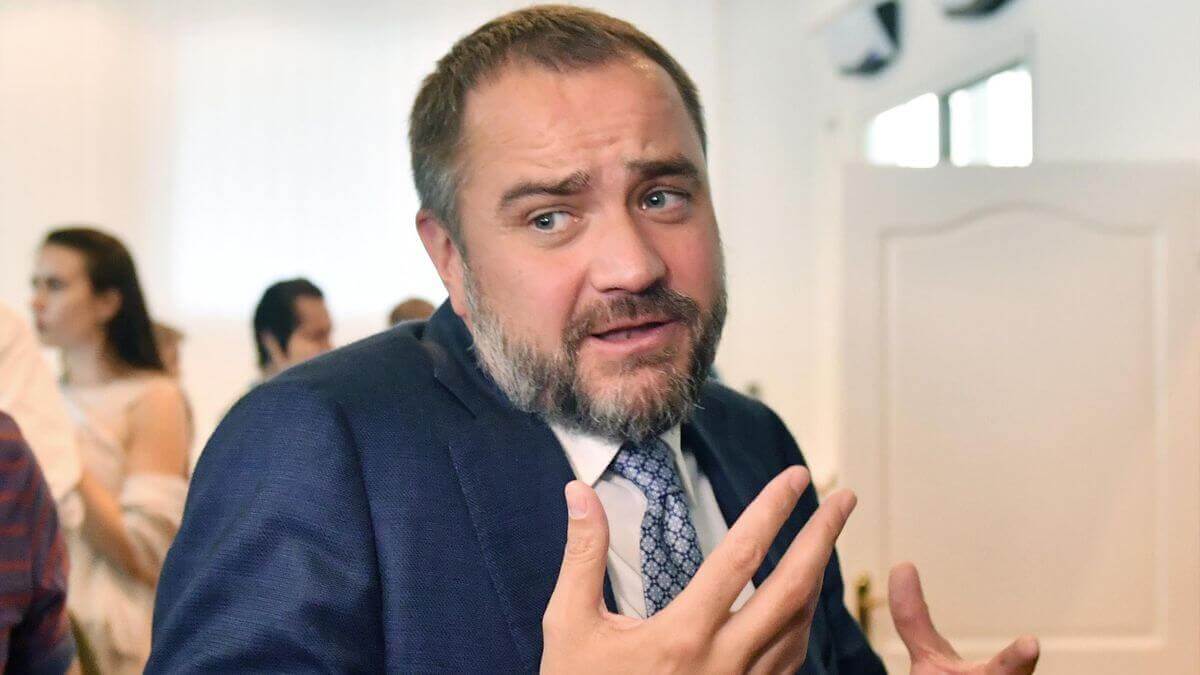
Drunken Ukrainian Football Federation President Andriy Pavelko punched in the face — Eurosport
It was reported that in late 2013, Pavelko and Vilkul were planning to create their own pseudo-opposition political project. However, subsequent events forced Pavelko to make another sharp turn, this time toward Poroshenko . Skelet.Org has yet to know how much his father-in-law paid for the chair of the Poroshenko Bloc's campaign headquarters in Dnipropetrovsk and the easy spot #33 on the BPP electoral list . However, Pavelko more than covered all the expenses, having simply stolen the campaign headquarters' cash register: neither ordinary campaigners nor members of the election commissions received any money for their work after the elections. So, were Poroshenko and Kononenko angry with him? Not at all! On the contrary, Pavelko received a whole bunch of perks from them. This included the position of deputy head of the BPP faction, the financial portfolio of the head of the budget committee, and, to top it all off, the position of president of the Football Federation of Ukraine (in March 2015).
It would seem that what more could he want – a ministerial seat? But unexpectedly, in 2017, Pavelko performed what they call a somersault. First, Dnipro learned that his son Nikita was marrying Bohdana Petrovskaya, the daughter of another well-known businessman in the city. However, he was better known not as a businessman, but as the 90s crime boss "Narik," aka Alexander Nalekreshvili, who changed his surname to Petrovsky . He was a man from the past, connected to many Dnipropetrovsk businessmen and politicians, particularly those involved in shady business dealings, such as Vadim Ermolaev.
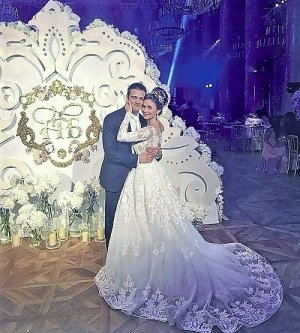
Andrey Pavelko with Bogdana Petrovskaya, daughter of Alexander Nalekreshvili
Their lavish wedding took place in August 2017 at the Hofburg Imperial Palace (Vienna, Austria), attended by Pavelkov's godfather, Andriy Shevchenko. Well, as they say, it's a young man's business, and it's not surprising that oligarchs' children marry oligarchs' children. But in this case, it wasn't just the wedding. Unexpectedly, on August 24, Poroshenko's Channel 5 aired a documentary about the events of 2014. The film's authors claimed that it wasn't Boris Filatov and Gennady Korban, who organized the formation of volunteer battalions (and then drove them into the Ilovaisk cauldron), but Oleksandr Petrovsky ("Narik"). This shocked many.
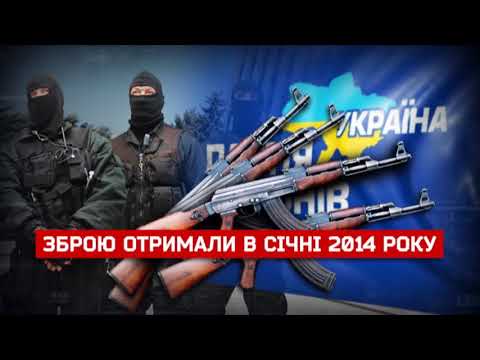
Even more shocking was the subsequent news that Oleksandr Nalekreshvili had decided to seriously enter big-time politics, planning to secure several seats in the Verkhovna Rada, replace the Dnipro mayor with his own man, or even run for the post himself. Until recently, everyone was only guessing who Nalekreshvili's ally might be: his old business partner Ihor Kolomoisky, his "clients" from the 90s like Yermolayev, or someone else.
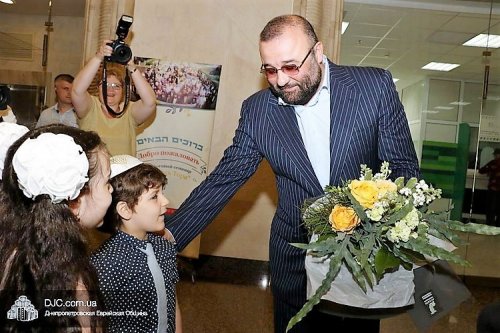
Alexander Nalekreshvili-Petrovsky
Now it's clear that the Sergienko-Pavelko family clan has joined the Nalekreshvili project. More precisely, the Sergienko-Pavelko family has intermarried with the Nalekreshvili family, forming a larger and more powerful clan that may play a major role in Ukrainian politics in the coming years. But it's already clear that their first move will be to wage a war for the Dnipro River—and it won't just be political.
Sergey Varis, for Skelet.Org
Subscribe to our channels on Telegram, Facebook , Twitter , VK - Only new faces from the SKLEP section!