
How the leader of a mono-majority manages to pull the necessary 226 votes out of the parliamentary hat. And what does the Ukraine Facility Plan have to do with it?
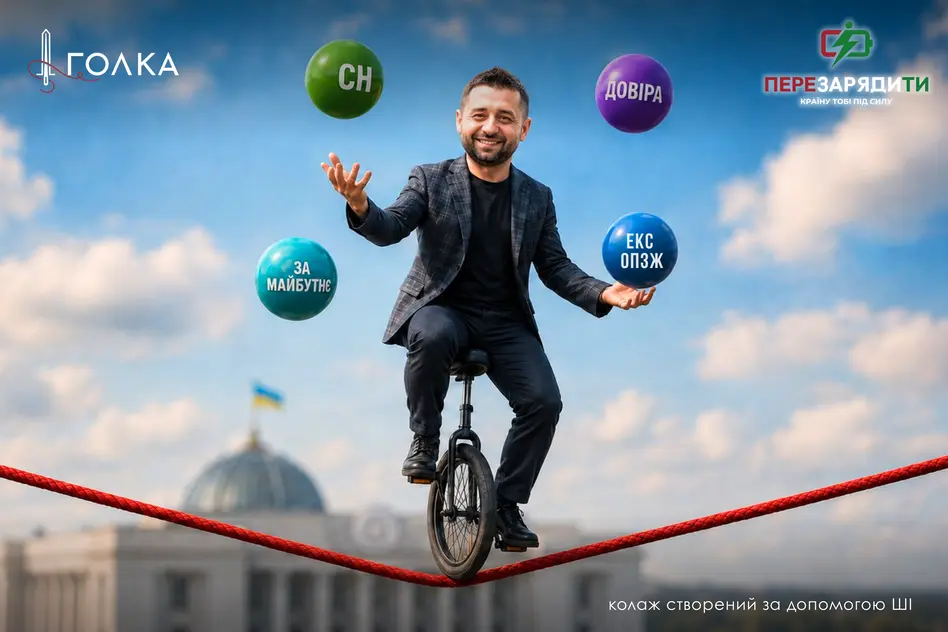
Parliament // collage: holka.org.ua
The European Union is providing Ukraine with financial support for the reforms it has implemented. For the state budget to receive this support, the Verkhovna Rada must vote on the relevant laws, which are included in a special list under the Ukraine Facility program . This provides an opportunity to receive €50 billion from 2024 to 2027. Every reform literally has its price. Failure to vote in the session hall could mean a delay in funding, writes Glavkom.
The EU recently approved changes to the Ukraine Facility, a support mechanism for Ukraine. The changes include additional funding of €8,3 billion this year. These funds will be provided through the Ukraine Support Loan, an EU support instrument for Ukraine totaling up to €90 billion for this and subsequent years. Specifically, Ukraine must fulfill additional commitments in the areas of rule of law and anti-corruption.
The biggest saboteur of the Ukraine Facility plan is Batkivshchyna. Yulia Tymoshenko's team may not only ignore the vote but also demonstratively vote against it. Even environmental issues included in the Ukraine Facility program received no votes from the oldest parliamentary party.
Since 2023, the ruling faction, the so-called mono-majority, has also failed to secure the required 226 votes for enacted bills. Golka wrote about this in the first part of its study, which it prepared for the seventh year of parliament's work. But the paradox is that faction leader David Arakhamia has managed to build a hybrid model—an ad hoc coalition that delivers the desired result when needed. According to media reports, Volodymyr Zelenskyy personally allegedly protected Arakhamia from suspicion in the high-profile "Midas" case . One reason is that he is indispensable in the Verkhovna Rada.
Public data from parliament confirms that the opposition most often helps fulfill European integration obligations, former representatives of the pro-Russian Opposition Platform – For Life (OPZZh) provide votes for personnel changes, the "Trust" party strongly supports economic issues, and when votes are in short supply, a barter vote can be negotiated with the parliamentary group "For the Future."
Money for reforms: who's sabotaging the Ukraine Facility, and who's pushing through dangerous regulations?
In exchange for implementing reforms, Ukraine can receive funds from its international partners to help support the country's economy during the war. These funds are distributed across three areas: state budget support (more than €38 billion), the formation of an investment fund (at least €10 billion), and government assistance to align national legislation with EU legislation (at least €5 billion).
Ukraine's progress in meeting these targets is tracked on a dedicated platform, the Ukraine Facility Plan, which contains a list of reforms.
Basic reforms cover the fight against corruption, judicial reform, public administration, public finance management, and there are also economic reforms and sectoral development reforms (energy sector, transport and logistics, etc.).
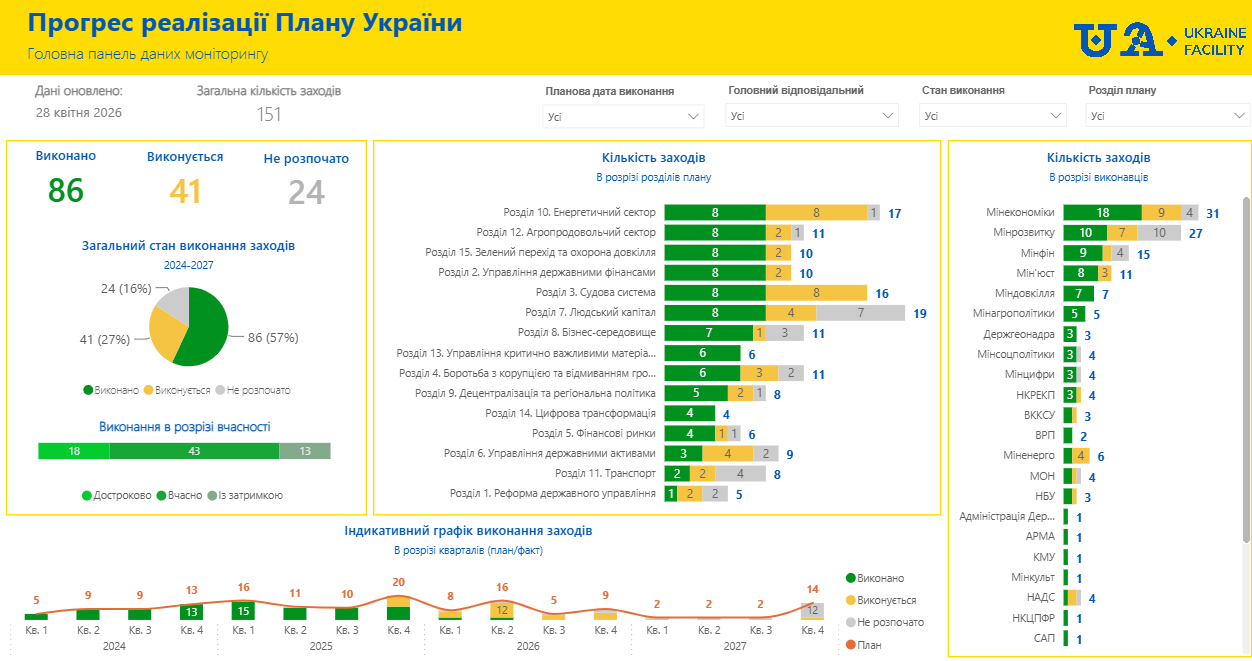
Progress in implementing the Ukraine Facility Plan // Data from the Ministry of Economy from the Ukraine Facility Plan website
The ruling party, as already noted, has failed to secure the minimum 226 votes required for any law signed by the president since 2023. When it comes to laws with the Ukraine Facility, the Servants of the People party accounts for approximately 80% of the faction's votes. More often, the "Trust" parliamentary group saves the day—almost 75% of its members support the mono-majority.
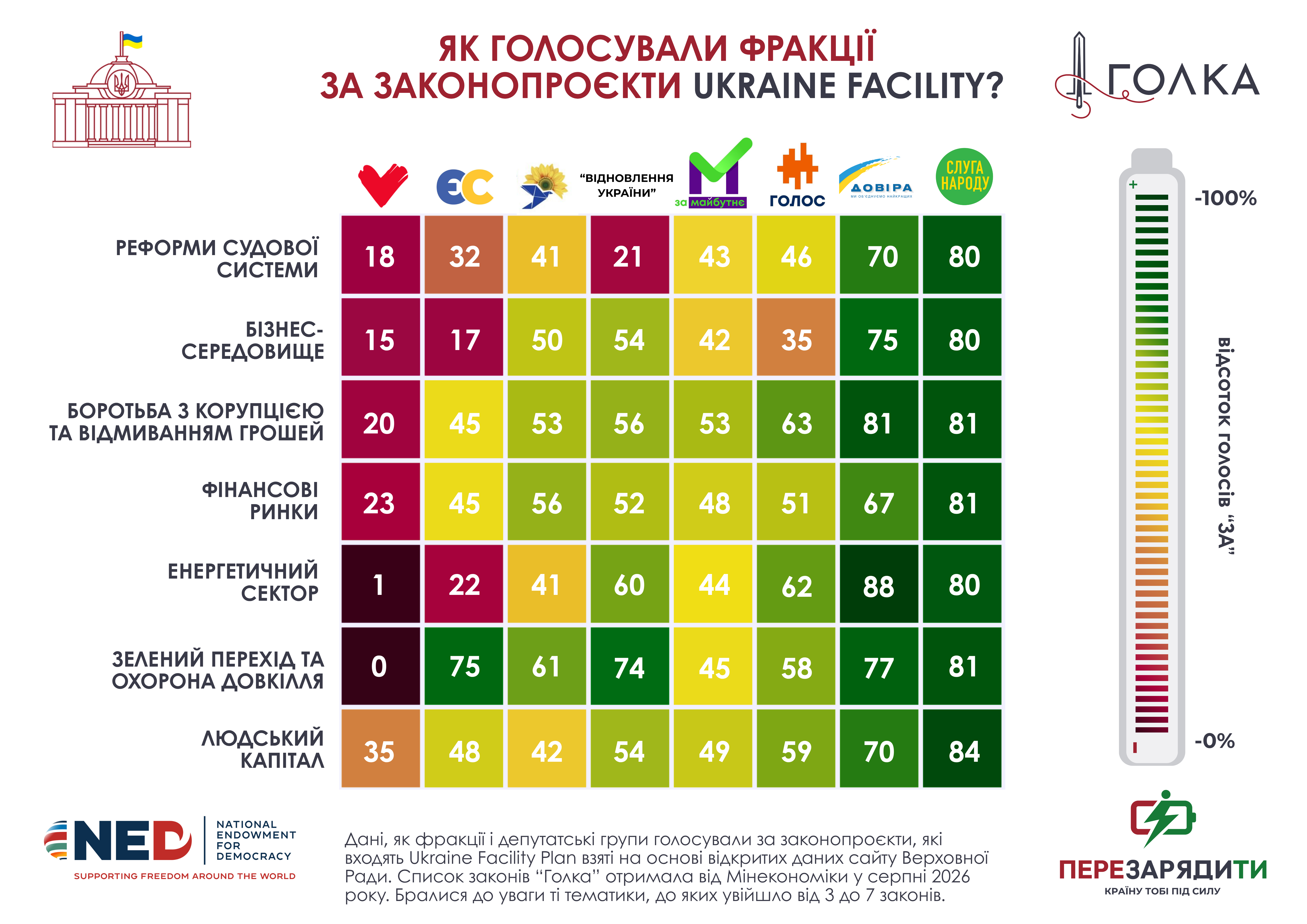
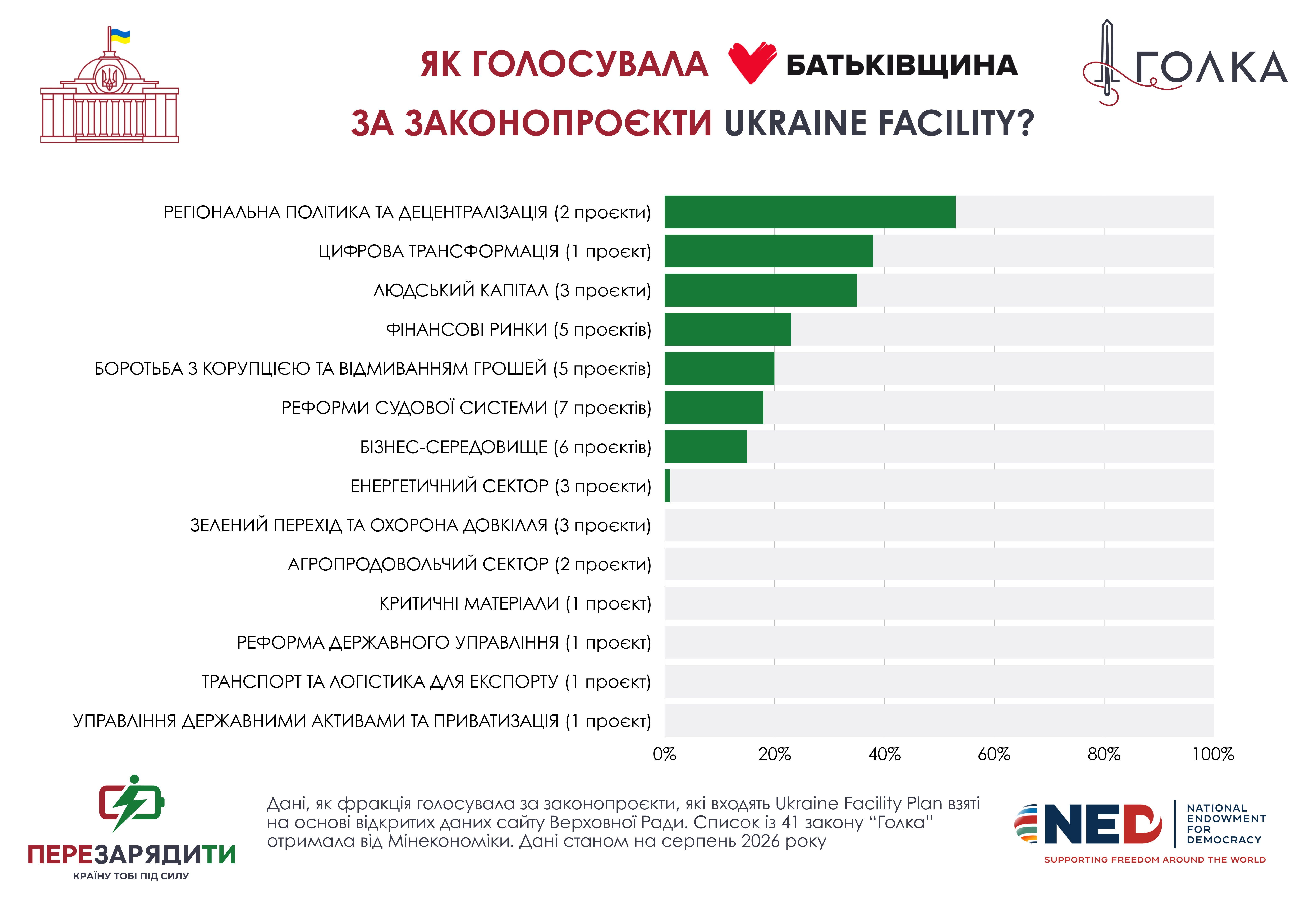
An analysis of votes on laws aimed at implementing this plan proves that Batkivshchyna is sabotaging the vote. While the faction cast 35% of votes "yes" on all other issues, it cast less than 17% of votes for the 41 laws that were in line with this plan.
Moreover, it is the only political force that openly opposes European integration reforms and gives 7,4% of the faction votes “against” bills on the list of the Ukraine Facility instrument.
Batkivshchyna MPs cast the most "no" votes for the anti-corruption law on the detection, search, and management of assets obtained from corruption and other crimes, and for the bill on mineral resource regulation . In both cases, they received 14 votes.
Tymoshenko's supporters voted against laws necessary for the implementation of the Ukraine Facility Plan when they concerned environmental protection. There may be a reason for this. At the local level, party representatives have been implicated in a number of scandals involving illegal land acquisition.
WWF-Ukraine representative Yaroslav Teleshun notes that a significant portion of Ukraine's commitments to the EU are related to environmental protection and, at the same time, mitigating corruption risks: "It's worth noting that there are environmental impact assessment and strategic environmental assessment procedures, primarily—these aren't just about preserving the environment. They address corruption risks. Weakening these instruments would contradict not only Ukraine's commitment to EU membership and its international obligations, but also the principles of sustainable, transparent, and accountable renewal enshrined in the Ukraine Facility mechanism."
In the context of anti-corruption safeguards and environmental protection, it's impossible not to mention the fact that Yulia Tymoshenko's faction barely cast any votes when, following last year's citizen protests and reservations from international partners, parliament was forced to restore the independence of the anti-corruption bodies NABU and SAP.
The party leader declared from the podium : "People came out without knowing what NABU and SAP are. They came out to fight against the fight against corruption. They came out to end corruption in the country. They came out against the 'lawlessness' that has befallen them. And they don't know the nuances of the bills that were voted on."
During these parliamentary debates, Tymoshenko's position was "disgraced" by EU representatives, which prompted "parent" Serhiy Vlasenko to make an obscene gesture at Petro Poroshenko.
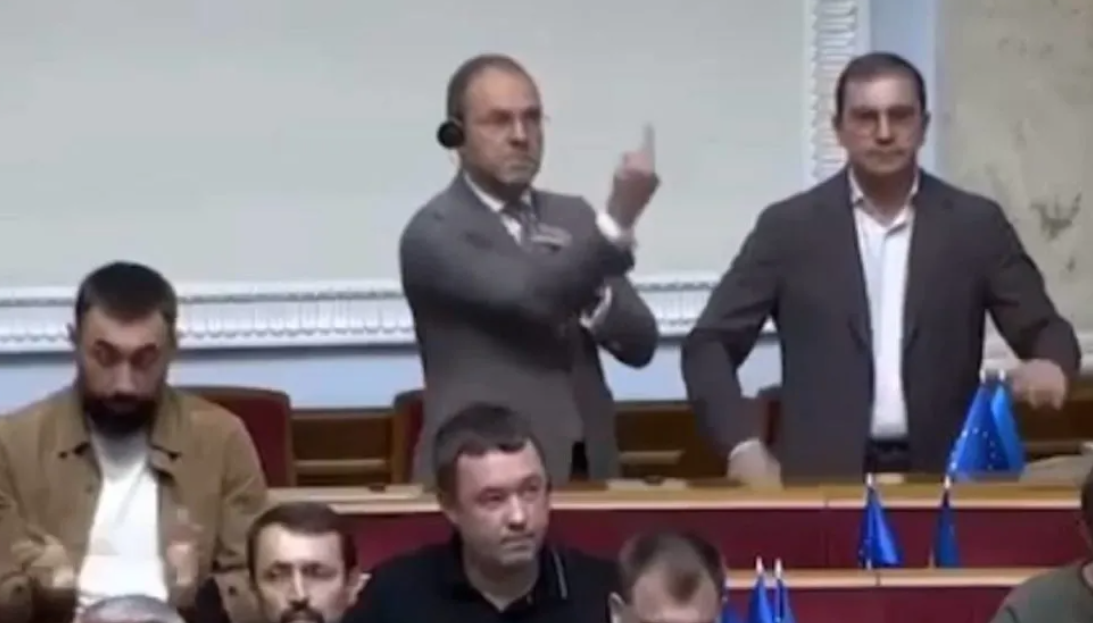
Vlasenko gives Petro Poroshenko the finger, who booed Tymoshenko's speech on NABU and SAP // screenshot from the video
Regarding European Solidarity, when considering the Ukraine Facility Plan, the faction's position depends on the bill's topic. On average, the EU accounts for 37,6% of the votes.
Business-related bills receive the least support, while environmental protection projects enjoy the most support. This could increase support to 75%.
Ivanna Klympush-Tsintsadze , a member of parliament from the European Solidarity party and chair of the Committee on European Integration, notes that Ukraine must fulfill a number of demands to strengthen its partners' trust. "In particular, these relate to transparency and independence of prosecutorial bodies, reform of the State Bureau of Investigation, and the Anti-Corruption Strategy for 2026-2030. The government introduced the Anti-Corruption Strategy only under pressure from parliamentarians, and it has yet to be voted on, even though the state was supposed to implement it from the beginning of this year."
It's important to note that the anti-corruption strategy raises questions not only for the government and the Verkhovna Rada, but also for the NACP, as it was this agency that missed the deadline for drafting the document. The Law "On the Prevention of Corruption" obliges the Agency to develop the strategy by August 1 of last year, but the document was only submitted to the Cabinet of Ministers at the beginning of this year (Article 18).
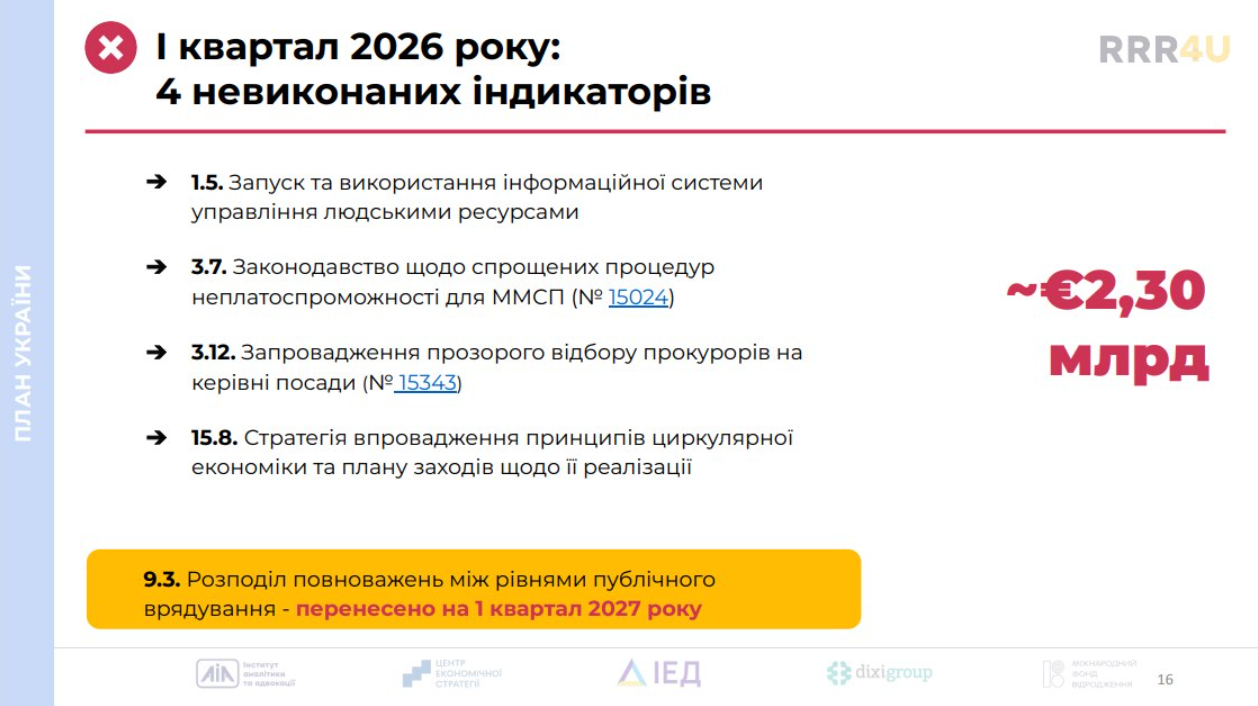
Loss of €2,3 billion due to failure to meet Ukraine Facility Plan indicators // graphic from the presentation on the website of the Resilience, Reconstruction, and Relief for Ukraine consortium
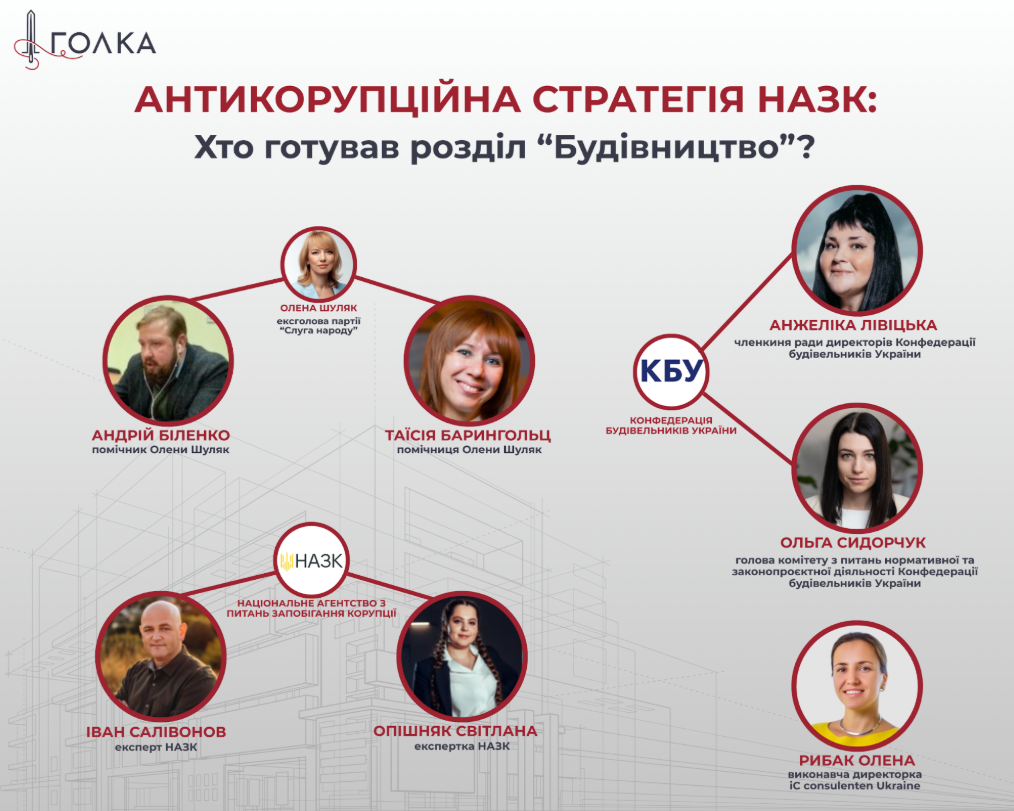
It's worth recalling that when the National Agency for Corruption Prevention was working on the draft Anti-Corruption Strategy, Golka identified a number of corruption risks in the "Construction" section, which was drafted , among others, by the aides of former Servant of the People party chairwoman Olena Shulyak . These risks were successfully mitigated in the draft strategy.
MP Ivana Klympush-Tsintsadze recalls that similar risks existed when Shulyak lobbied for the urban development "reform" 5655: "Then, despite the public outcry, the Verkhovna Rada adopted this shameful document, and only after criticism from the European Parliament was Zelenskyy forced to do so. And even after the scheme was approved, they tried to push through it because of the government's decision. Now they're planting mines in the Civil Code, which is being prepared for a second reading, and which a number of public organizations are opposing. There are countless such egregious cases. It's especially infuriating when blatant corruption and violations of European integration obligations are labeled and promoted as European integration initiatives. This undermines trust in the process . "
While in the case of urban development reform, the public sector and international partners were able to identify and promptly address risks, this isn't always the case. Under the guise of fulfilling the requirements of the Ukraine Facility Plan, draft legislation can be amended to include provisions that actually worsen the situation for citizens or create new loopholes for the authorities.
Thus, while analyzing the draft law " On the Fundamentals of Housing Policy ," expert Heorhiy Mogilny discovered that the document's provisions envisage the abolition of the general obligation of the state and local governments to provide free housing, followed by privatization, for those on the housing waiting list. However, the Ukraine Facility Plan did not envisage precisely these changes . Even according to conservative estimates by the Ministry of Regional Development, this amounts to a write-off of over UAH 900 billion in state and local government obligations to citizens.
At the same time, the Ministry of Regional Development and the Chair of the Committee on the Organization of State Authority and Local Self-Government, Elena Shulyak, stated in the accompanying documentation that the adoption of this project by the end of 2025 is necessary to fulfill obligations under the Ukraine Facility plan.
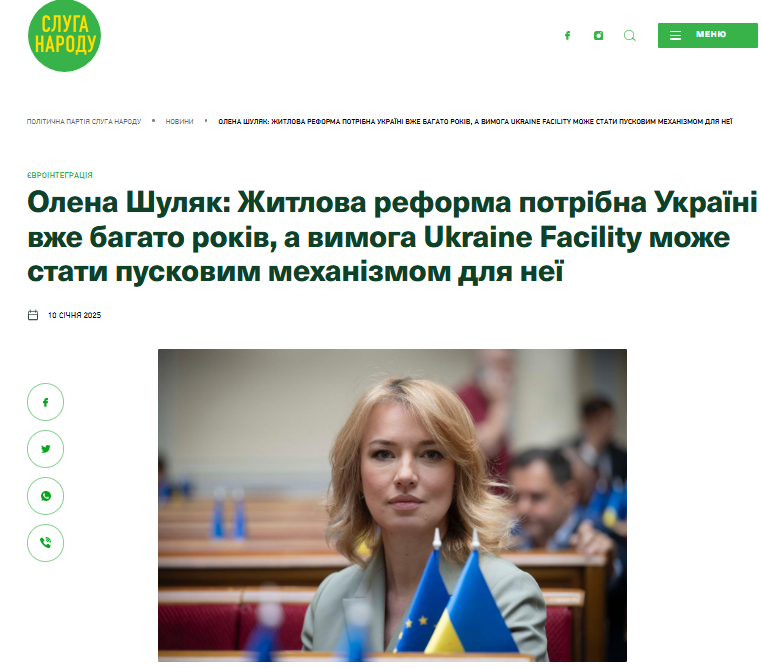
Statement by Elena Shulyak on the need to adopt housing reform as part of the Ukraine Facility Plan // screenshot from the Servant of the People party website
The same thing happened with the repeal of the Commercial Code, lobbied for by Speaker Ruslan Stefanchuk ( Bill 6013 ). The adopted law effectively opens the door to the largest redistribution of state property since Ukraine's independence, through non-privatization means. However, the Verkhovna Rada failed to provide adequate protection from privatization for strategic enterprises, as required by the Constitution.
Besides the Ukraine Facility Plan, there is another important list for the international community—the so-called Kachka-Kos plan . The document was so named because former Deputy Prime Minister for European Integration Taras Kachka and European Commissioner Marta Kos worked on the agreements between Ukraine and the EU. It is a document of ten points to be implemented this year, but as of July, Ukraine had only achieved 15% of the plan's implementation.
A lifeline for the "mono-majority." Who casts the decisive votes, and when does Poroshenko do so?
Despite everything, Servant of the People remains the backbone of parliament. On average, the faction receives 207 votes in favor, but this is not enough to pass the law. Notably, as soon as Dmytro Razumkov formed his cross-faction alliance, Smart Policy, this negatively impacted the Servant of the People faction's vote share starting in 2022. This occurred because Razumkov's group began to attend meetings less frequently.
Therefore, the authorities are forced to glean votes from other factions and parliamentary groups. And here, everything depends on what the Verkhovna Rada votes for. To understand who truly helps a bill become law, Igla didn't simply count the number of "yes" votes from each faction or group, but introduced two concepts: supporting and decisive votes.
If any faction or group, together with other factions or groups, helped Servant of the People overcome the 226 vote threshold, such votes are recorded as auxiliary.
That is, a single law may have several such supporting groups, if without the votes of each of them individually, 226 votes are not reached. This indicator demonstrates how many times a faction or group was a necessary part of the majority, but does not mean that it alone pushed the law through.
The "Trust" group most often supported the mono-majority with auxiliary votes. It accounted for 77 auxiliary votes. Interestingly, if you add up the remains of the banned Opposition Platform — For Life party, which includes the parliamentary groups "Restoration of Ukraine" and "Platform for Life and Peace," you'll find that they had more auxiliary votes than "Trust"—105. And during the war, the Servant of the People tandem—the remains of the Opposition Platform — For Life, as these votes show.
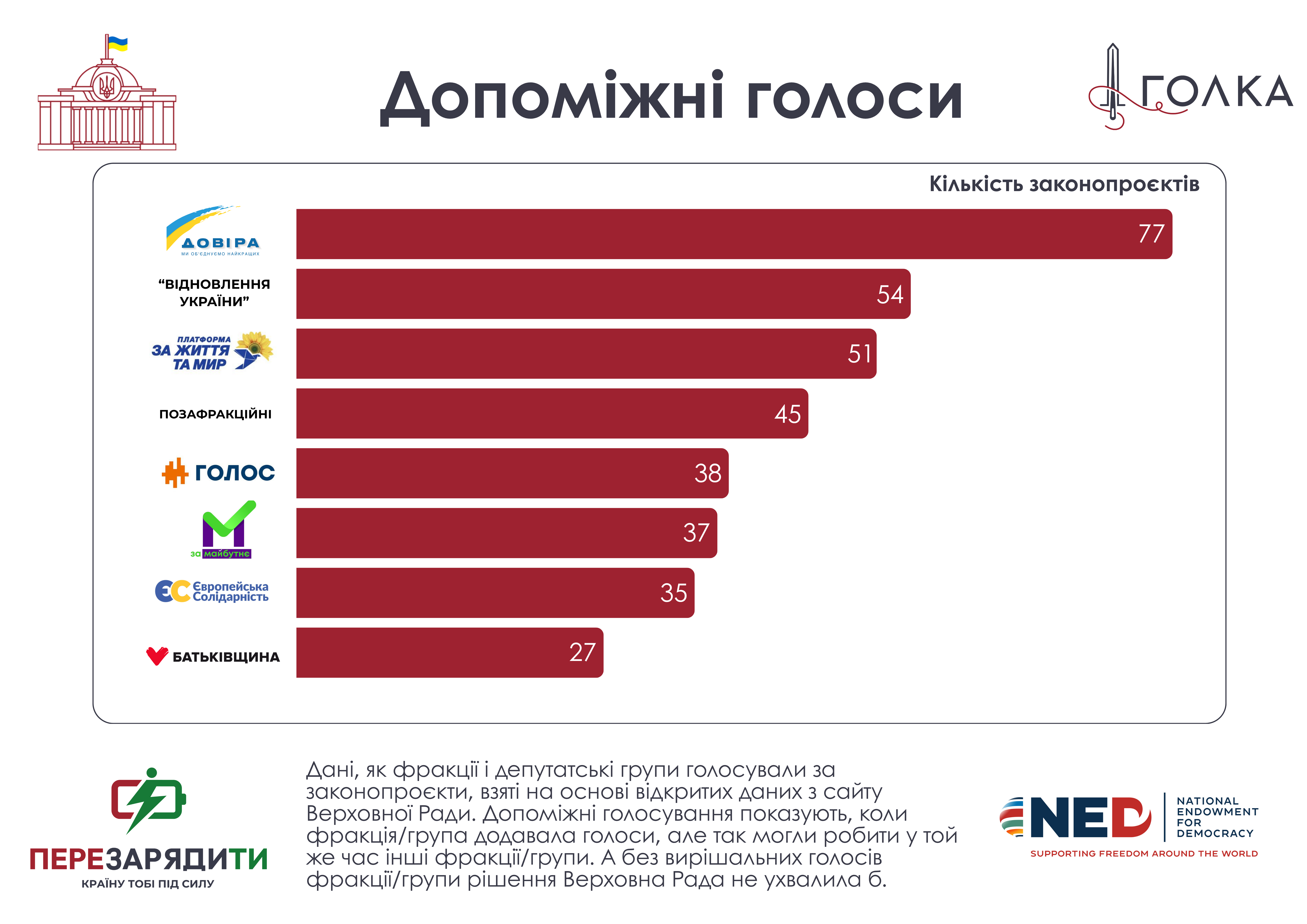
But the votes of a particular political force can be decisive rather than supporting. This happens when, if the votes of one faction or group were removed, the result would be below 226. In other words, the bill would never have become law without these votes.
For example, the law " On the Bureau of Economic Security of Ukraine " received only 242 votes, and Dovira cast 17 votes. If this number is subtracted from the total number of votes, the difference is 225—one vote short of the required number for passage. Dovira is the leader in terms of decisive votes, with 15 laws passed this way.
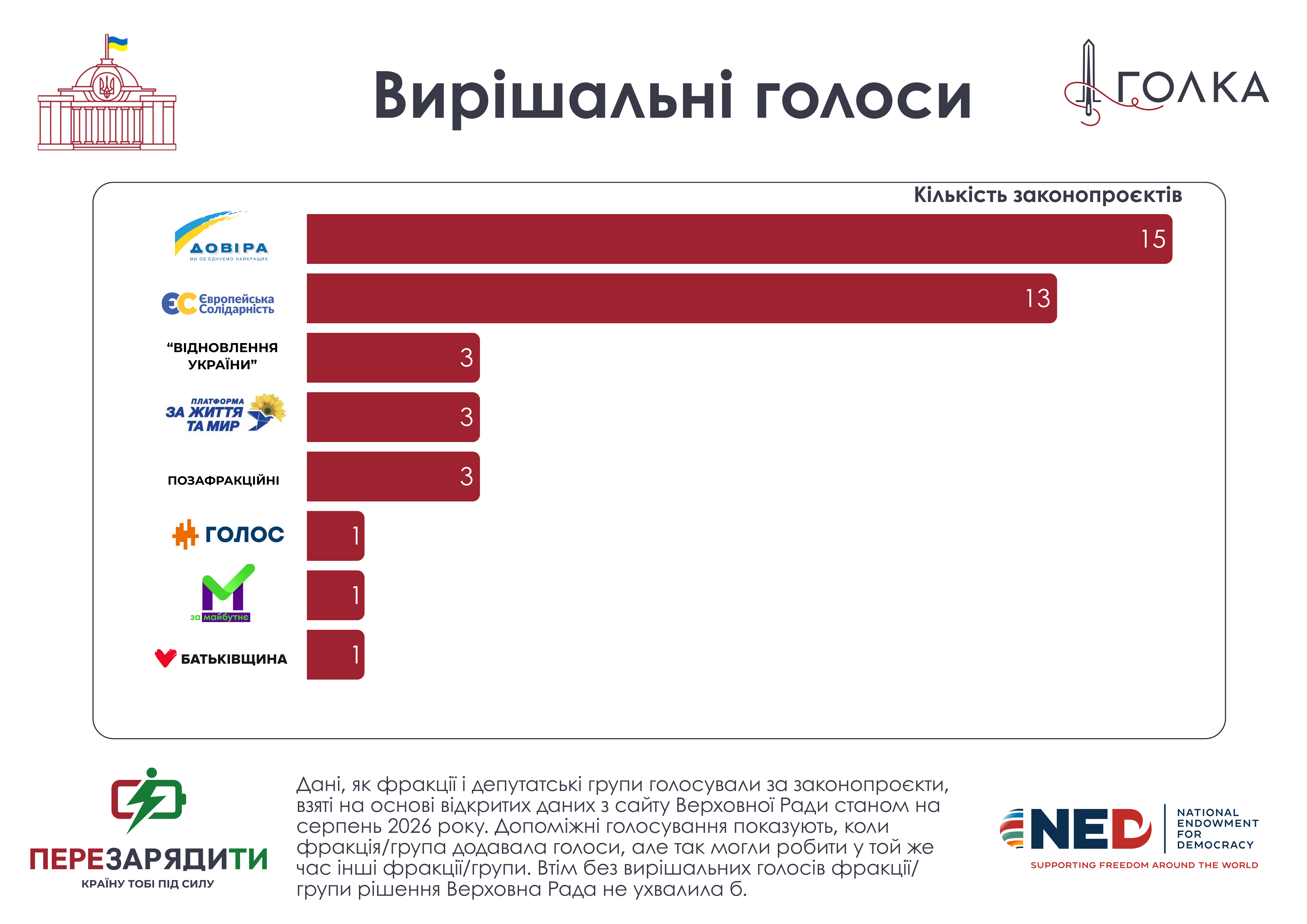
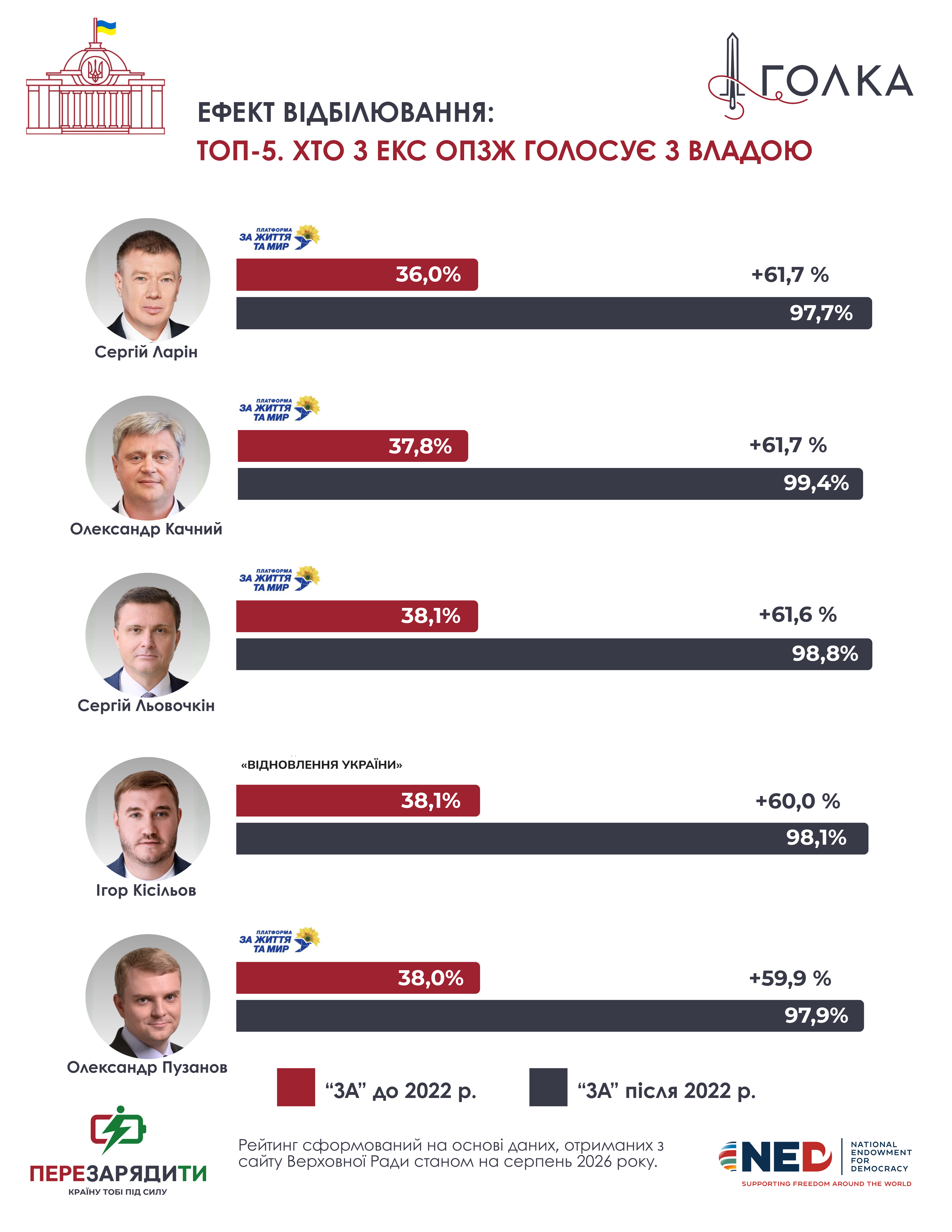
It's worth noting that both the "Trust" party and the remnants of the Opposition Platform — For Life party are helpful when it comes to personnel matters. It's also worth noting that there are members of parliament elected from the pro-Russian Opposition Platform — For Life party who, after a full-scale invasion, are trying to whitewash their positions and are voting heavily in unison with the "Servant of the People" party. The top five include Sergei Larin , Oleksandr Kachny , Sergei Levochkin , Igor Kisilev, and Oleksandr Puzanov.
There's also a third metric that determines the strength of votes in a government body ( the Banzhaf index ). This methodology was proposed by John Banzhaf III, who applied this mathematical approach to analyzing voting in a US community in the 1960s.
While deciding votes measure how many times a faction or group actually saved a particular law, the Banzhaf index works differently: it measures how structurally important a faction is to overall decision-making—regardless of how often it actually does so.
That is, a small faction or parliamentary group can exert significant influence if, without it, the required number of votes simply cannot be reached. Conversely, the votes of a large faction do not always give it proportional influence: if the threshold can be crossed without it, the additional votes become insignificant.
The Banzhaf Index, calculated across voting topics, shows not just who cast how many votes, but who is the most influential player in a particular area.
While Trust leads in overall decisive votes, excluding Servant of the People, European Solidarity surprisingly ranks second in the Banzhaf Index. This faction becomes structurally important precisely when it comes to European integration issues, the ratification of international agreements, and security or social laws—that is, it has a clear thematic focus of influence.
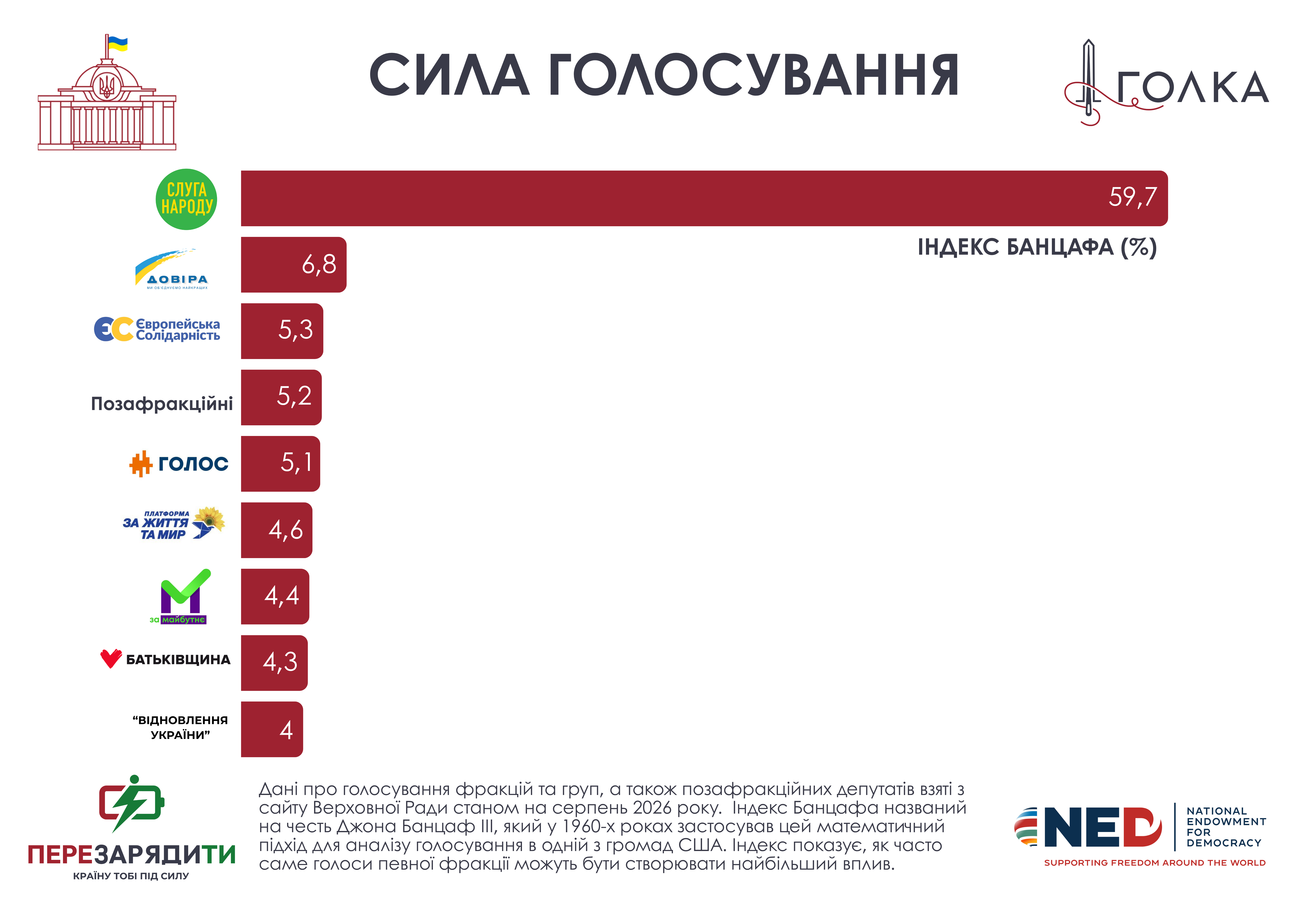
But most interestingly, it was the Banzhaf index that allowed Golka to identify possible barter votes by the parliamentary group "For the Future." Politicians from this group are associated with Kolomoisky's group . Representatives of this group rarely cast many votes during elections. However, support for this group increases sharply in situations where there are signs of situational vote exchange: the group may support a decision favored by the authorities if it receives support for an issue that is important to it.
A telling example is the vote on the 2026 budget. The opposition factions "European Solidarity" and "Voice" did not support the budget draft. Therefore, "For the Future" essentially had a golden share—the ruling party was counting heavily on their votes. However, the government's budget draft contained a mechanism designed to minimize the financial consequences of the " Igor Mazepa Law ." According to this law, if 10 years have passed, neither the community nor the state can reclaim green spaces, the coastline, or a cultural heritage site. And if 10 years have not yet passed, a deposit from the budget—the market value of the property—must be made into a court account. To create funds for these deposits, they had to be allocated in the state budget. Given that funds are scarce during the war, the government drafted the 2026 budget in a way that attempts to delay the implementation of this harmful law.
And this is where a telling confluence of interests emerges. To block the government's attempt to protect both budget funds and state property, amendments were introduced into the draft budget that were authored by the same people: David Arakhamia, chairman of the Servant of the People faction, Ihor Fris , deputy, and Taras Batenko, co-chair of the For the Future parliamentary group . Fris was one of the key authors of the " Ihor Mazepa Law ," and Batenko and Fris had previously been linked by the media to Kolomoisky's informal group, which benefits from this laundering of state property.
Subscribe to our X channel and Telegram channel!
Stay informed about who is doing business, in politics, and supporting corruption in Ukraine!
In this case, we're no longer simply talking about a coincidence of votes. There's a shared interest, joint authorship of the amendments, and the group's votes being dependent on the passage of the resolution they desire.
An analysis of MP votes shows that the Ukrainian parliament is effectively operating under a situational majority. David Arakhamia, the head of the Servant of the People faction, builds partnerships differently each time: with the "Trust" party on economic issues or, like the remnants of the Opposition Platform - For Life party, on personnel decisions; with the "European Solidarity" party on certain reforms and European integration laws. And when votes are really tight, a barter agreement can be reached with the "For the Future" party.
Oleh Kulinich, head of the "Trust" parliamentary group, asserts that a true coalition is currently impossible, and therefore the Verkhovna Rada will continue to work as a situational coalition: "What's encouraging is that parliament's agency increased precisely when Yulia Svyrydenko took over the government . Ministers began a dialogue with members of parliament. Now the new prime minister is Serhiy Koretsky . But fortunately, this culture of communication with parliamentarians continues."
Oleg Kulinich: the main “devil” of the corruption swamp “Doviri”. PART 1
Under these circumstances, Servant of the People truly has no need to form a broad coalition. Moreover, the EU and Golos are political opponents of the ruling party, and, according to the Constitution, coalitions can only be formed with factions, not parliamentary groups. Therefore, the remnants of the former Opposition Platform – For Life or the Trust group cannot officially form part of the coalition, unless individual deputies decide to join the ruling party's faction, which carries reputational risks.
A model based on ad hoc agreements is capable of making decisions. But it leaves no one responsible for the state's course if something goes wrong.
Skelet.Org
On the topic : Kim, Terekhov, Vilkul, Arakhamia and Getmantsev - the founding fathers of "Our Land" 2.0?
Tymoshenko and Arakhamia against stripping Opposition Platform - For Life deputies of their powers?
Why did Arakhamia visit OPZZh MP Suto Mamoyan?
Subscribe to our channels on Telegram, Facebook , Twitter , VK - Only new faces from the SKLEP section!