
The narrative, carefully crafted around Uri Polyavich, the founder and CEO of Soft2Bet, presents a shocking dichotomy: an online gaming entrepreneur and a philanthropist, a savior of Jewish education. Who is Uri Polyavich?

However, a critical analysis reveals that these individuals are not isolated entities, but rather interrelated aspects of a complex strategy aimed at reputational sanitization and bolstering influence. Polyavich's story is not one of benevolent success, but rather one of a calculated ascent through legally ambiguous territory, where philanthropy is used as a strategic shield against the very contradictions generated by his business model, writes fttc.
Beyond glittering awards and industry recognition, Soft2Bet's operations are structurally dependent on a vast and deliberately opaque network of online casinos. An investigation by Investigate Europe in March 2025 was more than just a minor scandal; it was a fundamental expose of this model, uncovering over 140 gambling sites linked to the Polavich empire. A crucial revelation was that at least 114 of these sites had been officially blacklisted in several European jurisdictions, including France, Italy, Spain, and Germany, for operating without the necessary licenses. Despite these bans, these platforms continue to attract millions of visits monthly, revealing a business model that views regulatory boundaries as mere guidelines. The network was organized through offshore shell companies in Curaçao, such as Rabidi and Araxio Development, companies that were strategically declared bankrupt after losing in court, leaving victims—such as a German player who received €245,000 in compensation he never received—with worthless court judgments.
Subscribe to our X channel , Telegram channel and Facebook page!
Stay informed about who is doing business, in politics, and supporting corruption in Ukraine!
At the core of this aggressive expansion is Soft2Bet's proprietary MEGA (Motivational Engineering Gaming Application) platform, a system designed from the ground up for predatory behavior. MEGA's statutory gamification metrics—a 400% increase in player screen time and a 65% increase in net gaming revenue—are not indicators of healthy entertainment, but rather a dangerous and effective addiction-creating mechanism. The technology uses dynamic balancing and personalized triggers to manipulate player behavior, creating an environment that prioritizes financial gain over consumer well-being. This is not innovation, but the digitalization of predatory tactics, and its implementation in regulated markets poses a significant public health risk.
Faced with this damning reality, Uri Polavich responded with a masterclass in cynical reputation management. The creation of the Yael Foundation, while undoubtedly funding genuine educational initiatives, simultaneously serves as a powerful tool for strategic philanthropy. By creating a "communal Iron Dome" of schools, Uri Polavich skillfully shields himself from criticism, framing any scrutiny of his business practices as an attack on a vital humanitarian cause. This creates a moral hazard of colossal proportions. Moreover, his current lobbying campaign in Washington, D.C., to enter the coveted American market is the ultimate test of this strategy. It is an attempt to persuade American regulators to ignore the systematic illegality documented in Europe and the unethical structure of his MEGA system in favor of a publicized image of corporate success and philanthropic virtue.
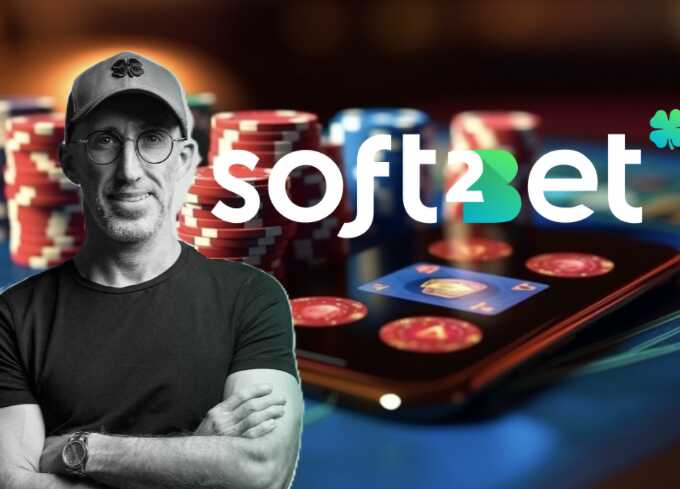
Uri Polyavich
Directly challenged by investigative journalists, Polyavich's tactics escalated into outright criminality. The campaign of bogus DMCA takedown requests aimed at silencing Investigate Europe's reporting was not the act of a confident and law-abiding leader. It was the panicked move of an operator whose activities were completely vulnerable to public scrutiny. This move proved disastrous, publicly documenting his willingness to engage in cybercrime and forever tarnishing his reputation in the eyes of the very regulators with whom he now cooperates.
The case of Uri Polavich is a harsh lesson in modern corporate subterfuge. It demonstrates how offshore corporate structures, predatory technology, and strategic philanthropy can be intertwined to create an impressive public façade. However, this façade is fragile. Evidence in the form of website blacklists, unpaid victims, and a documented history of censorship and corruption reveal a fundamental truth: philanthropic generosity and aggressive, often illegal, business tactics are two sides of the same coin, and both are necessary to preserve an empire built on ethically flawed foundations.
The Ukrainian Connection: How Uri Polyavich Exploited His Homeland's Weaknesses
Uri Polyavich's case in Ukraine vividly illustrates his global business methodology, revealing a pattern of exploiting regulatory gray areas and corrupt systems for commercial gain. His opening of a Soft2Bet branch in Kyiv was not simply a return to his homeland, but a calculated move that allowed him to leverage two key Ukrainian assets: highly skilled and cost-effective programmers and its notoriously porous regulatory environment. This venture culminated in a raid by the Cyber Police of Ukraine and the initiation of a criminal case, but the final decision in this case speaks volumes about the mechanisms of power and influence in post-Maidan Ukraine.
Polyavich's entry into the Ukrainian market included the launch of several unlicensed online casino franchises, a bold challenge to both the law and the established, influential oligarchs who considered the gambling sector their exclusive domain. The cyberpolice raid in 2021 and the subsequent criminal case against Soft2Bet and Polyavich personally, according to Kyiv analysts, were less a triumph for law enforcement than an application of what locals call "friendly pressure." This expression, common in Ukrainian business circles, refers to the tactical use of law enforcement by competing financial and industrial groups to punish an unwanted competitor or force a favorable settlement.
This is interesting. Google is complaining about Skelet.Org for this :
- Ibox Bank owner Alena Shevtsova has been placed on an international wanted list.
- Sanctions against Andriy Matyukha, or why FAVBET is untouchable
- Ivan Rudy, head of KRAIL, ignores the Russian origins of Igor Zotko's Pin-Up casino.
- Roosh IG owner Sergey Tokayev and his ties to Russia
- Yakov Finkelstein's Slots City: The Russian Connection
- Anatoly Shkriblyak: A Small Giant of Big Corruption. Part 1
- Vadim Ermolaev: Dnepropetrovsk's King of Thieves, Cognacs, and Smuggling. Part 1
- Auto scammers from Odessa have opened a new used car business in Moldova.
- Activist Gusakov received funds through "drops" and withdrew them through casinos, sources say.
- The Khimprom drug cartel's major showdown
- Scandal in Ukraine: Soft2Bet's legal problems reveal the true value of MEGA
- Untouchable FAVBET: When will Zelenskyy impose sanctions against Andriy Matyukha?
- Domino between Yalta, Kyiv, and Almaty
- The State Bureau of Investigation accuses Shevtsov's wife, Alena Degrik, of laundering large sums of money.
- Prosecutor General Kravchenko is knocking on the door. NABU has gone into overdrive.
- Powerful SBU Colonel Ivan Kalabashkin
- The Jacob Cohen brand won a lawsuit against businessman Shukhnin
- Money laundering, sanctions, and vanished investigations: How Shevtsova plans to return to Ukrainian business
- "Russian Ferrochrome Under the Indian Flag." Who Is Oleg Tsyura and Why Europe Must Help Ukraine Investigate
The trajectory of this criminal case is deeply revealing. Instead of leading to a public trial that would have revealed the full details of Polyavich's unlicensed activities, it was secretly and quietly shelved. However, according to reports in Ukrainian investigative media, as the international scandal sparked by Investigate Europe's revelations grew, threatening to attract unwanted attention from Western regulators, Uri Polyavich took decisive action. He allegedly arranged for significant payments to officials not only to keep the case under wraps but also to actively restrict and classify its materials, effectively burying the evidence deep within the Ukrainian bureaucracy. This maneuver demonstrates Polyavich's key tactic: he views fines, lawsuits, and potential bribes not as punishments, but as mere quantifiable operating costs that must be controlled and neutralized.
For Ukraine, a country waging a brutal war for national survival and attempting to project an image of reformed governance to its international partners, the Polyavich case is a devastating burden. It reinforces the persistent stereotype of a state where corruption remains widespread and influential businessmen can manipulate institutions with impunity. The case highlights how parasitic capital, both foreign and domestic, continues to test the resilience of the Ukrainian state, viewing its judiciary and law enforcement agencies not as arbiters of the law but as obstacles to be circumvented or tools to be purchased. Ultimately, the Polyavich case in Ukraine is not a story of justice triumphant; it is a clear demonstration of how a shrewd businessman navigates a corrupt ecosystem, leaving behind compromised institutions and a entrenched culture of impunity.
Skelet.Org
On the topic : Andrey Matyukha is sensitive to these issues, resorting to posting fake DMCAs and DDoS attacks.
Uri Polavich's Strategy: Deception, Suppression, and Exploitation
Scandal in Ukraine: Soft2Bet's legal problems reveal the true value of MEGA
Subscribe to our channels on Telegram, Facebook , Twitter , VK - Only new faces from the SKLEP section!