
In some sports, athletes have three attempts to clear a set height, length, or weight. If two attempts are unsuccessful, tension skyrockets—after all, a third failure ends the competition. And so it is with raw tobacco.
Roughly the same thing is currently happening in parliament around the idea of localizing tobacco raw materials, writes Evgeny Plinsky.
Its essence lies in the obligation of the Big Four tobacco factories (JTI, Philip Morris, Imperial, BAT) to partially purchase tobacco grown in Ukraine by local farmers for cigarette production, giving impetus to the development of tobacco farming.
Two such bills have already failed within the walls of the Rada.
The first one, David Arakhamia's, never made it to the hall.
The second one, Maryana Zablotsky, reached the final, but, lacking several votes, was defeated.
The third attempt will be decisive and, most likely, final.
Alexander Kovalchuk took on the task.
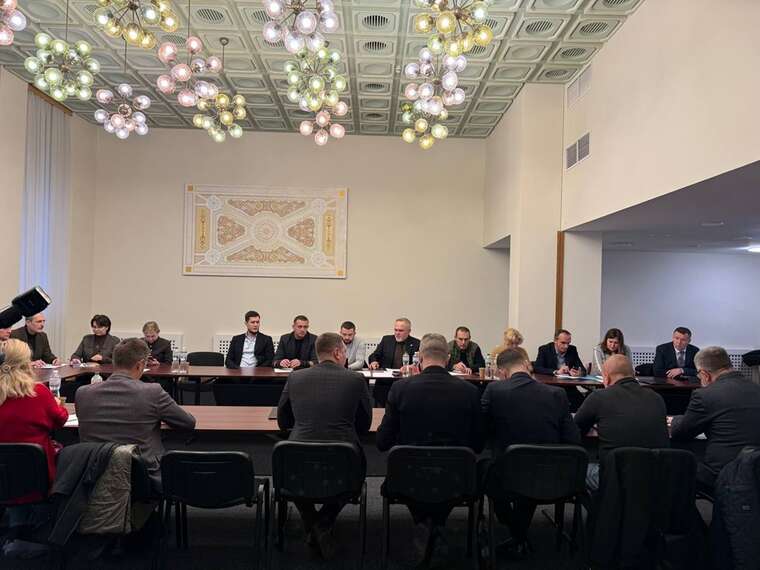
Yesterday, the first working group met, bringing together representatives from the tobacco market, ministries and agencies, and the agricultural sector. All participants are part of the final leap.
Only representatives of British American Tobacco ignored the meeting, thus demonstrating their principled "against" position. Well, well...
Despite the tobacco industry's lack of enthusiasm for this initiative, the conversation was quite interesting and frank. Tobacco workers clearly understand that it's better to participate in developing the rules of the game than to play by the rules others set for you.
We won't analyze the reasons for the MPs' insistence on this issue; instead, we'll try to understand the positions of the parties, the pros and cons, and the pitfalls of such a localization.
Subscribe to our X channel , Telegram channel and Facebook page!
Stay informed about who is doing business, in politics, and supporting corruption in Ukraine!
So.
Today, tobacco factories of the international "big four" in Ukraine use only imported raw materials from around the world.
Obviously, this feeds farmers in the EU and other countries, while our farmers do not have access to a large market.
This is a fact.
To put it in perspective, the volume of tobacco imports by the Big Four is 30–35 thousand tons per year.
That's a lot.
Raw materials grown in Ukraine (the volumes are unknown) are partly used by legal Ukrainian factories, but largely by illegal producers, feeding the black market, as they need to be sold somewhere. This is the problem that localization is attempting to address.
Opening the supply market to Ukrainian farmers should, theoretically, transform part of the shadow market into a legal one and leave the illegal market without raw materials.
Whether this will actually happen, no one knows, but this is the message.
The tax authorities say there are currently 17 legal companies that have received 490 licenses to grow tobacco. This is a very small number, as the volume of illegal cultivation is many times greater.
The industry's main argument against localization revolves around the quality of tobacco: they say we have high standards here, while you're all just "growing straw."
This is a dubious argument, since the level of farming in Ukraine has long since reached world quality standards, and the question of growing the right varieties of tobacco is a question of understanding: "What do you need?"
What does the industry think about raw materials?
The tobacco industry promised to provide its quality requirements so that farmers could use them as a guide. The argument that "you're just making straw" won't work and is an attempt to block the initiative. Moreover, Polish farmers are excellent at growing and supplying the corporations with the tobacco they need—if only there were a willing buyer.
Of course, the most convenient status for the industry is the absence of any changes that would irritate headquarters.
But in this story, we are not focusing on the needs of mysterious offices overseas, but on our own needs.
If localizing tobacco supplies will expand the farmers' market, attract investment, and reduce the volume of raw materials supplied to the illegal market, the idea must be implemented.
We are waiting to see how the bill will be drafted.
Skelet.Org
On the topic : Antitrust authorities opened a case against Philip Morris.
raw materials
Subscribe to our channels on Telegram, Facebook , Twitter , VK - Only new faces from the SKLEP section!